Biophilic Design: Bringing Nature Back Into Hospitality

.png)
As cities become denser, faster, and increasingly disconnected from nature, hospitality is beginning to serve a new emotional role.
People are no longer searching only for luxury or comfort.
They are searching for nervous system relief.
More natural light.
Cleaner air.
Organic textures.
Calmer acoustics.
Spaces that breathe.
Environments that regulate emotion instead of overstimulating it.
This is where biophilic design becomes increasingly important.
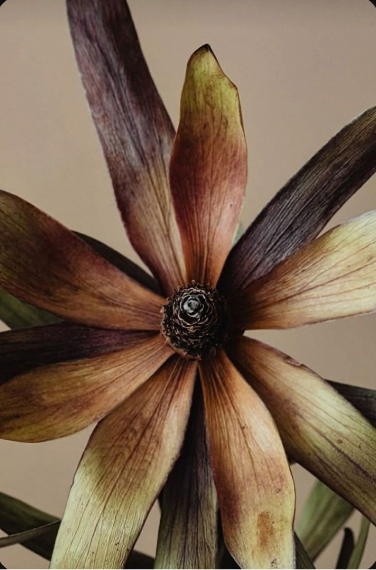
At its core, biophilic design is not simply about adding plants into a space. It is about rebuilding the human relationship with nature through architecture, atmosphere, light, materiality, airflow, proportion, and sensory experience.
At KK Universal, this philosophy is becoming an increasingly important part of how future hospitality projects are being imagined and developed.
Even within dense urban environments, the goal is to create spaces that emotionally reconnect people to nature.
One early example of this thinking can already be experienced within the café space at Vakko Hotel & Residence Nişantaşı.
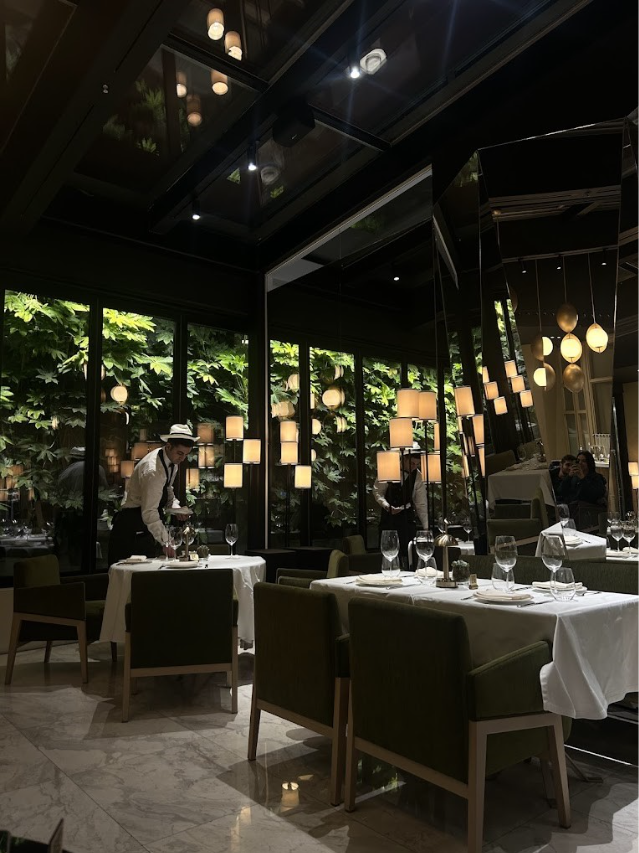
Although located in the center of one of Istanbul’s busiest urban districts, the atmosphere was designed to feel unexpectedly calm and organic. The relationship between glass, greenery, natural light, and airflow creates an experience that feels almost disconnected from the surrounding city. Rather than feeling enclosed, the space feels breathable almost as if it exists within a quiet urban forest.
This effect was not accidental.
The movement of air, the openness of the spatial layout, the visual softness created by greenery, and the balance between interior and exterior were all considered carefully as part of the emotional experience of the space.
Because people physically feel architecture long before they consciously analyze it.
Poor airflow creates tension.
Harsh lighting creates fatigue.
Artificial environments create emotional distance.
But natural systems regulate the body differently.
Light changing throughout the day.
Soft shadow movement.
Natural ventilation.
Organic materials.
Connection to landscape.
Visual depth through greenery.
Acoustic softness.
The presence of water, stone, wood, and daylight.
These elements influence how people sleep, socialize, focus, rest, and emotionally recover.
For this reason, biophilic design is becoming much more than an aesthetic direction within KK Universal’s future hospitality philosophy. It is evolving into a core design principle.
In upcoming projects currently in development, nature will not be treated as decoration added afterward. Instead, it will become part of the architectural and operational logic from the very beginning.
How buildings breathe.
How natural light enters rooms.
How guests move between interior and exterior spaces.
How landscaping shapes emotional rhythm.
How wellness integrates naturally into daily experience.
How public areas reduce stress instead of increasing stimulation.
Particularly in hospitality, this shift may become increasingly important.
Because luxury is changing.
The future guest may not remember only marble finishes or visual spectacle.
They may remember something much simpler:
How well they slept.
How calm they felt.
How deeply they could breathe.
How connected they felt to nature, even in the middle of a city.
At its best, biophilic hospitality does not try to impress people.
It helps regulate them.
And in an overstimulated world, that feeling may become one of the most valuable luxuries hospitality can offer.
.avif)