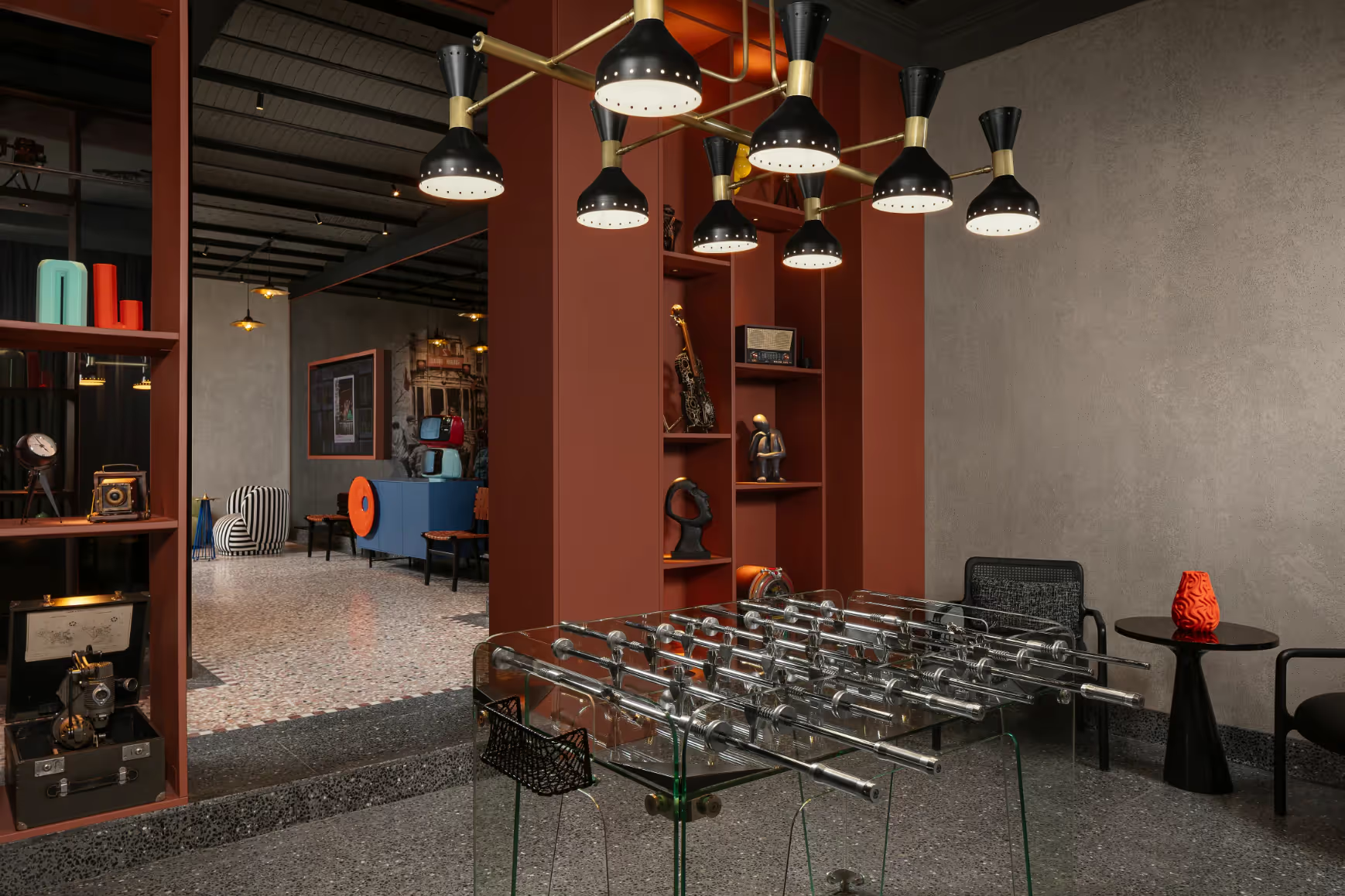
Why Hotels Are Becoming Brands, Not Just Buildings

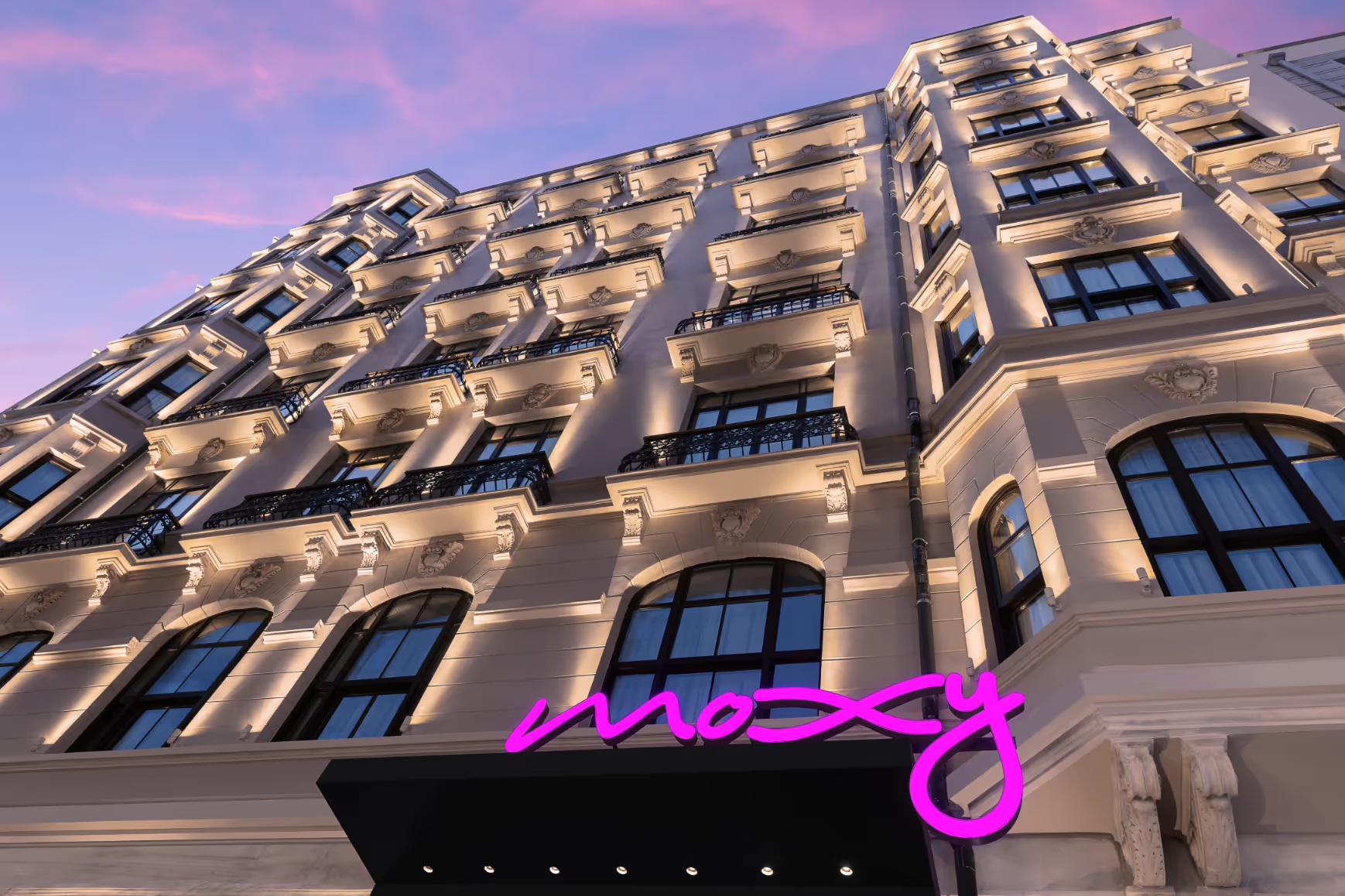
For decades, hotels competed through physical luxury.
Larger lobbies.
More marble.
More restaurants.
More square meters.
Today, that model is losing relevance.
Luxury hospitality is no longer defined by physical excess alone. Guests increasingly choose hotels based on identity, emotional connection, cultural alignment, and the feeling a place creates around them.
In other words, hotels are becoming brands.
Not brands in the superficial sense of logos or visual identity, but brands as fully formed worlds with a point of view.
This shift explains why some of the world’s most culturally influential hospitality concepts no longer come from traditional hotel operators alone. Fashion houses, lifestyle platforms, members clubs, wellness concepts, and design-driven operators are redefining the category.
People no longer want standardized luxury.
They want belonging.
Atmosphere.
Identity.
Meaning.
A hotel today competes not only with other hotels, but with entire lifestyle ecosystems.
This transformation is especially visible in urban hospitality.
The most relevant city hotels increasingly function as social and cultural platforms rather than isolated accommodation assets. Guests expect spaces that integrate hospitality, design, gastronomy, wellness, retail, creativity, and local culture into one coherent experience.
That philosophy shaped the development of Vakko Hotels & Residences in Istanbul. Rather than operating as a conventional hotel, the project was conceived as an extension of the Vakko universe — integrating fashion, gastronomy, private service, and residential comfort into a singular hospitality language.
This is also why many globally successful hospitality concepts feel emotionally distinct the moment you enter them. Their architecture, lighting, scent, music, materials, service style, and guest experience all belong to the same narrative system.
Brand, in this context, is not decoration.
It is operational philosophy translated into physical space.
The hospitality groups that will remain relevant over the next decade are unlikely to be those competing only on scale. They will be the ones capable of building strong emotional positioning and coherent worlds around their projects.
Because in a market filled with infinite choice, memorability becomes one of the most valuable assets a hotel can own.
The future of hospitality belongs to places that people remember emotionally, not only physically.
.avif)