Can Hospitality Become a Form of Cultural Diplomacy?

%20(1).png)
Hospitality has traditionally been understood as an industry.
Hotels.
Restaurants.
Tourism infrastructure.
Accommodation.
Service.
But perhaps hospitality has always been something deeper.
Because every meaningful journey changes people, even slightly.
A city alters perception.
A conversation shifts perspective.
A meal introduces unfamiliar traditions.
A landscape changes emotional rhythm.
A different culture reshapes the way we see our own.
In this sense, tourism is not only movement.
It is transformation.
A form of alchemy.
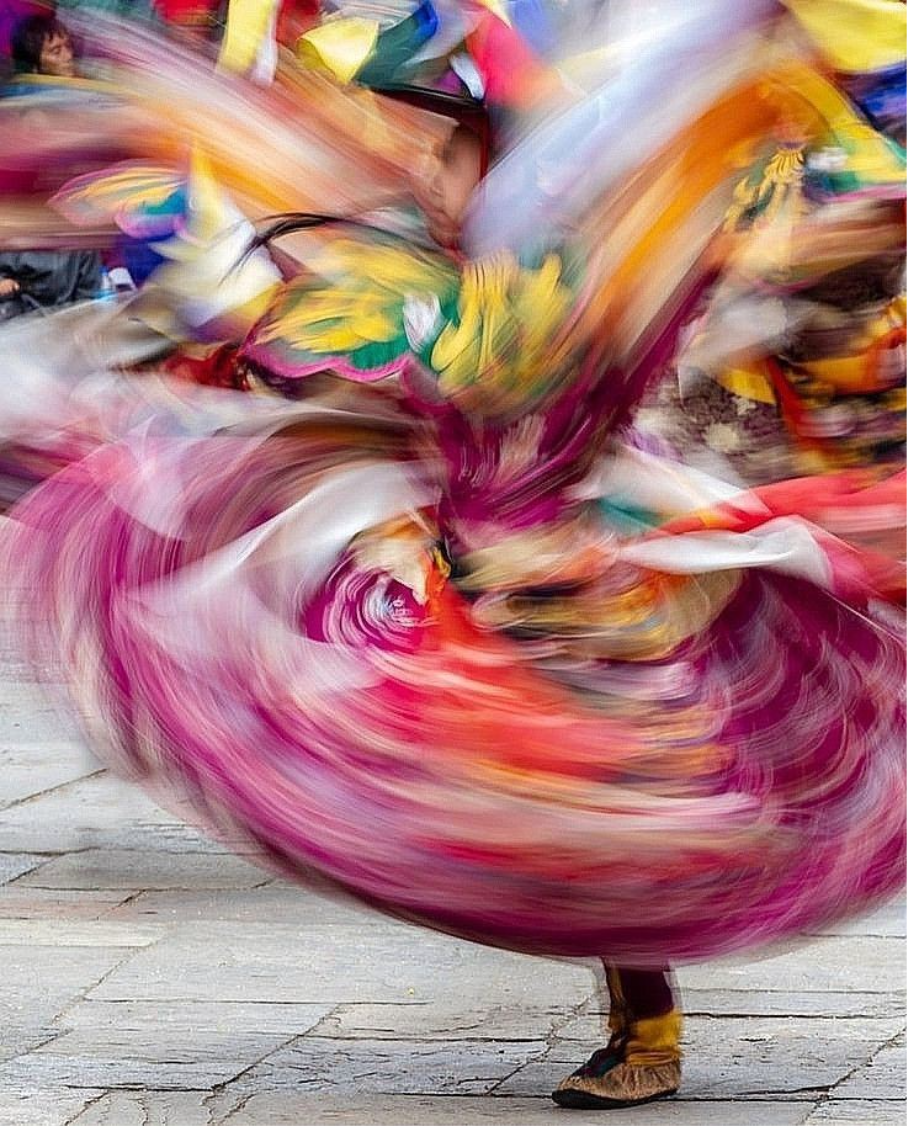
People arrive carrying one emotional state, one worldview, one pace of life, and often leave subtly changed by what they experienced, observed, tasted, learned, or felt.
At its best, hospitality becomes the space where this transformation can happen.
This is why hospitality may hold a far more important cultural role in the future than simply providing comfort or entertainment. It can become a form of cultural diplomacy.
Not diplomacy through politics.
But through human experience.
Because hospitality has the ability to create emotional understanding between people who may otherwise never meaningfully encounter one another.
A Japanese guest discovering Anatolian culinary traditions.
A European traveler understanding Turkish generosity beyond stereotypes.
A local artisan sharing centuries-old craftsmanship with international visitors.
A conversation between strangers at breakfast.
A memory attached forever to a city, a landscape, or a culture.
These moments may seem small individually.
But collectively, they shape how societies emotionally perceive one another.
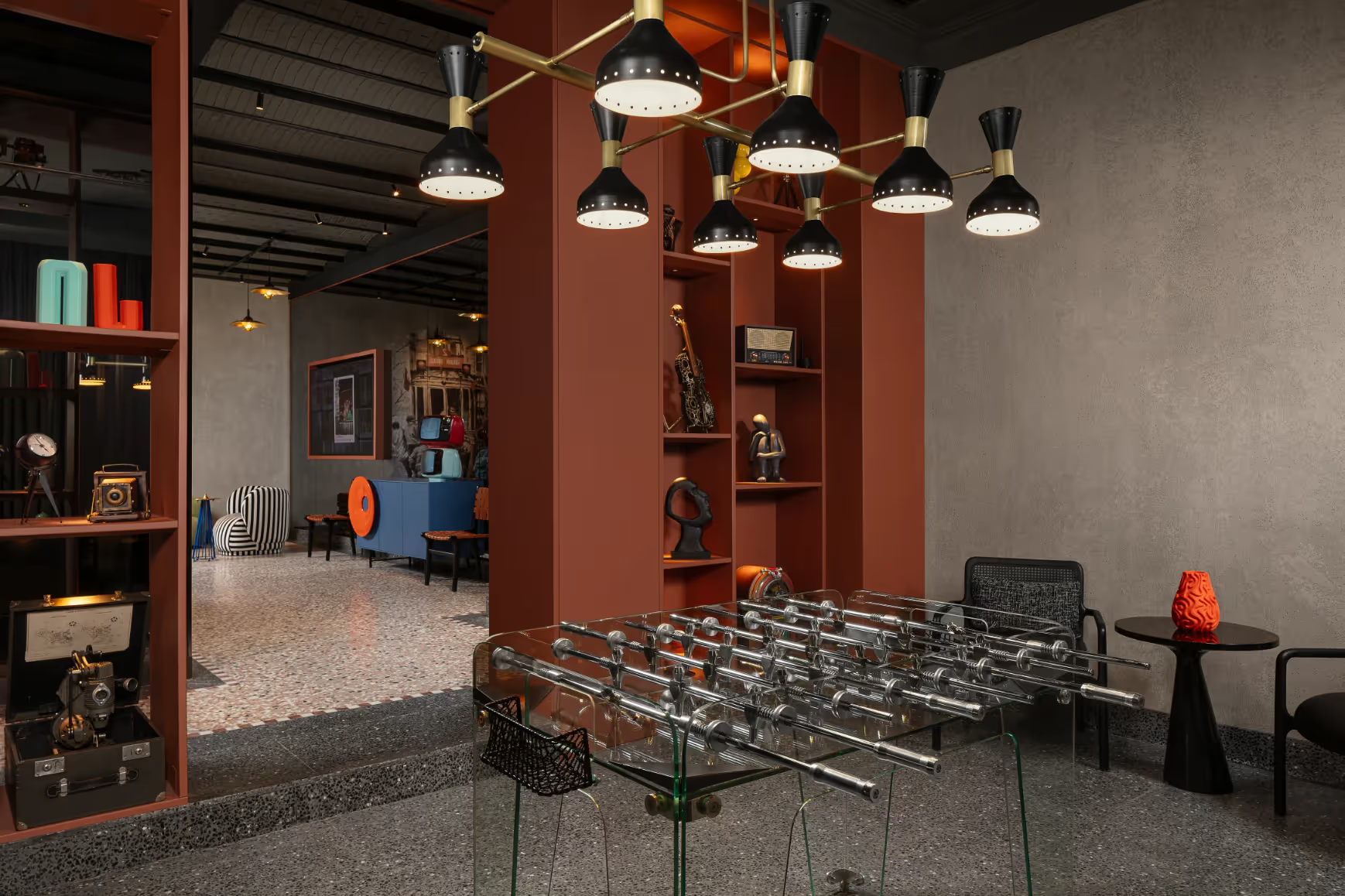
At KK Universal, this idea increasingly influences how hospitality projects are imagined not only as commercial environments, but as cultural meeting points.
The goal is not simply to bring people into a destination.
It is to create meaningful interaction between the guest and the place itself.
Because the strongest hospitality experiences do not isolate travelers from local culture.
They immerse them within it.
Architecture connected to regional identity.
Food rooted in local ingredients and traditions.
Experiences shaped by craft, history, music, landscape, and ritual.
Spaces where international perspectives and local culture naturally intersect.
This philosophy becomes especially meaningful in destinations such as Cappadocia, where history, geography, spirituality, and cultural memory already exist in powerful layers.
The future of hospitality in these places may not be about creating globally standardized luxury disconnected from context.
It may be about creating deeper cultural exchange.
Not performance.
But participation.
Not consumption.
But connection.
In this way, hospitality becomes something much larger than tourism itself.
It becomes a bridge.
Between local and global.
Between tradition and modernity.
Between different ways of living, eating, thinking, resting, and gathering.
And perhaps this is why travel has always mattered so deeply to human beings.
Because when we truly experience another place, we rarely return home exactly the same.
Something shifts.
Our pace changes.
Our taste changes.
Our imagination expands.
Our understanding softens.
Our emotional world becomes larger.
That transformation is the invisible power of hospitality.
And in an increasingly fragmented world, spaces capable of creating empathy, curiosity, and cultural understanding may become more valuable than ever.
.avif)