Could the Future of Luxury Be Smaller in Scale?


While the size of a hotel can expand the range of amenities it offers, it also creates limitations. More rooms, larger communal areas, and a wider selection of services allow different expectations to be met under one roof. But they also mean more people sharing the same spaces, more complex operations, and a constant need to balance very different needs.
This raises an interesting question: how much of its distinctive character does a hotel compromise when it tries to appeal to everyone?
The advantage of smaller hotels may become clear here. Serving fewer guests does more than make personalisation easier: it allows more deliberate choices across architecture, gastronomy, service philosophy, and the use of shared spaces. A hotel that does not have to offer everything to everyone can focus more clearly on a particular lifestyle, cultural outlook, or guest profile.
That said, scale should not be treated as an indicator of quality in itself. A small hotel can lack identity, while a resort with hundreds of rooms can offer highly distinctive experiences. What matters is what the project's scale enables and which experience it supports.
We pay close attention to this relationship when developing projects at KK Universal. Every location, guest profile, and brand identity calls for a different spatial and operational approach.
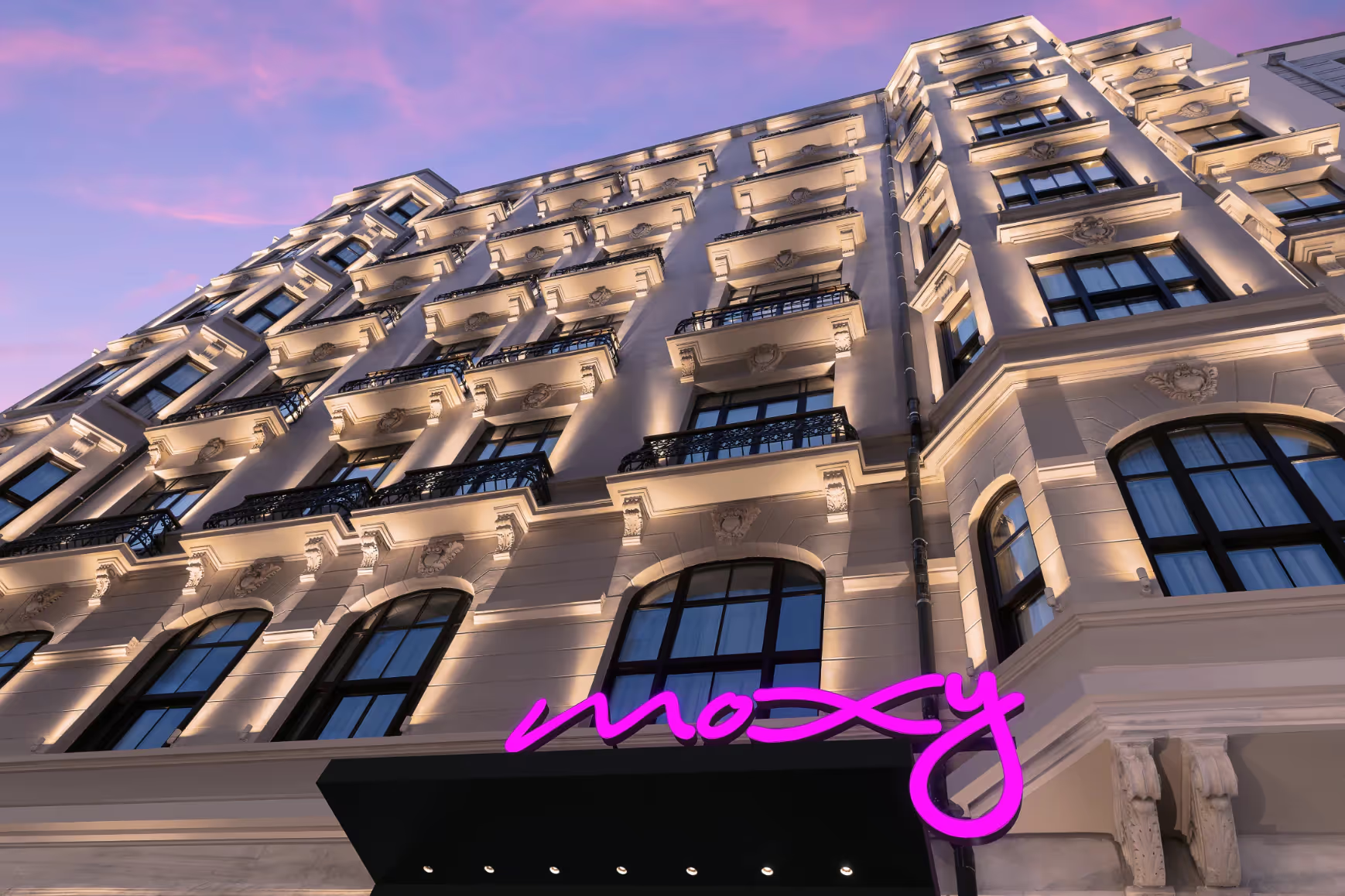
Vakko Hotels & Residences, for example, brings together Nişantaşı's urban lifestyle with Vakko's culture of fashion, gastronomy, and design. What interests us in this project is not only the quality of the accommodation, but how the lifestyle Vakko has cultivated over the years can translate into a hospitality experience. In such a concept, the number of rooms matters less than how deeply the brand's character can be felt in the architecture, the service, and the guest's everyday experience.
Another strength of smaller-scale hospitality lies in its relationship with the surrounding neighbourhood. City hotels do not necessarily need to provide every experience within their own walls. Sometimes a hotel's greatest privilege is direct access to the life of the neighbourhood. In Nişantaşı, where food, fashion, art, and urban culture intersect, it makes far more sense for a hotel to position itself as part of that life rather than as a destination isolated from its surroundings.
Of course, reducing scale also creates development and operational challenges. A limited room count means spreading fixed costs across fewer units, while service expectations in the luxury segment remain high. A smaller hotel succeeds not simply because it has fewer rooms, but because its positioning, pricing, space utilisation, and operating model work together.
Perhaps the real question is not whether luxury is becoming smaller, but whether hotels are becoming more decisive about what they want to be. Choosing deliberately not to offer certain amenities, rather than trying to provide everything, may become one of the most important strategic decisions in hospitality development.
For us, true luxury is not about having the greatest quantity of everything, but about ensuring every detail has been thoughtfully considered. A smaller hotel can sometimes create a more personal, intimate, and distinctive experience than a much larger property. Being greeted by name, having preferences remembered, forming a genuine bond with a place, or not feeling like one person in a crowd can all make a stay more meaningful.
Naturally, being small does not in itself create a sense of privilege. What matters is how that scale is used and the experience it enables. A hotel's architecture, services, atmosphere, and relationship with its surroundings must be considered as a whole. Every area should have a purpose, and every design decision a reason.
In the projects we develop at KK Universal, we focus less on size and more on the identity of each space, the emotions it evokes, and the quality of the experience it delivers. To us, a good project is not one that contains every imaginable amenity, but one that knows what it wants to offer and delivers it in the best possible way.
From a property development perspective, the right scale is not merely an architectural choice; it is also a strategic one. Location, target audience, brand identity, and operating model must be assessed together. Not every investment needs to be large, just as small scale will not suit every project. The priority is to define clearly what a project should become and align every decision with that vision.
We believe that in the future of luxury hospitality, size will give way not necessarily to smaller size, but to originality and personal experience. True luxury lies not in how much is offered, but in how meaningful those offerings are. Scale should not replace strategy; it should emerge from it.