Why Cappadocia Needs a Different Kind of Luxury Hospitality

.png)
Cappadocia is one of the most extraordinary destinations in the world.
Its landscape already carries a natural sense of wonder that many hospitality projects spend years trying to artificially create.
But despite its global recognition, luxury hospitality in the region often follows a limited formula.
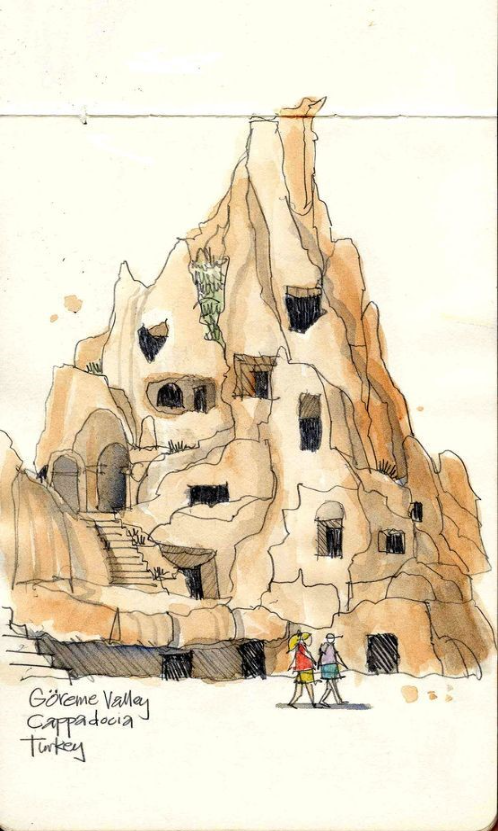
Stone walls.
Dark cave rooms.
Rustic and folkloric aesthetics.
Heavy textures.
A visual interpretation of “authenticity.”
While these elements are deeply connected to the identity of Cappadocia, luxury today cannot rely only on atmosphere or visual character. Increasingly, travelers expect something more complete:
Comfort.
Wellbeing.
Emotional calm.
Operational quality.
Thoughtful experience design.
And a deeper connection to the destination itself.
At KK Universal, the belief is that Cappadocia deserves a different kind of luxury hospitality one that respects the spirit of the region without sacrificing physical comfort or modern hospitality standards.
Because authenticity should not require discomfort.
Many traditional cave rooms are visually impressive, but operationally challenging. Limited natural light, humidity, ventilation issues, low ceilings, temperature instability, and heavy enclosed spaces can affect sleep quality, wellbeing, and overall guest experience.
The future of luxury hospitality in Cappadocia may not lie in recreating the past exactly as it was.
It may lie in carefully reinterpreting it for how people want to live and feel today.
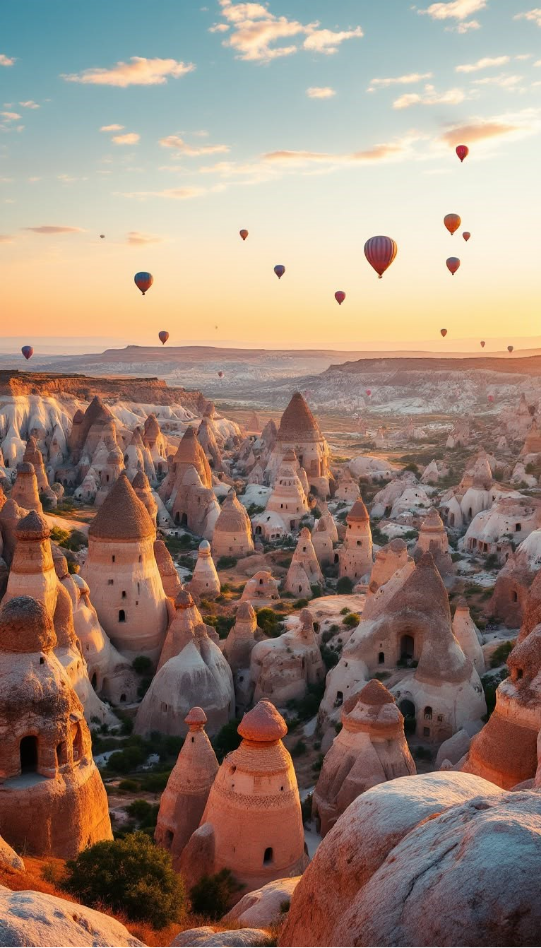
This means designing spaces that preserve the emotional atmosphere of the region while introducing a more refined level of comfort, cleanliness, spatial clarity, and operational precision.
Rooms that feel calm instead of claustrophobic.
Natural textures without heaviness.
Stone architecture balanced with light and openness.
Wellness integrated naturally into the environment.
Technology that remains discreet.
Luxury that feels emotionally warm rather than performative.
But creating meaningful hospitality in Cappadocia requires more than architecture alone.
The region cannot be understood only through hotels.
It must be experienced as a complete cultural landscape.
The strongest projects of the future will likely be the ones that understand Cappadocia holistically, its villages, agricultural traditions, craftsmanship, rituals, geography, seasons, cuisine, and pace of life.
Luxury hospitality should not isolate guests from the region.
It should create deeper access to it.
This is where experience design becomes essential.
Not only balloon rides or sightseeing, but a fully layered relationship with the destination itself.
Local ceramics.
Natural dye workshops.
Regional storytelling.
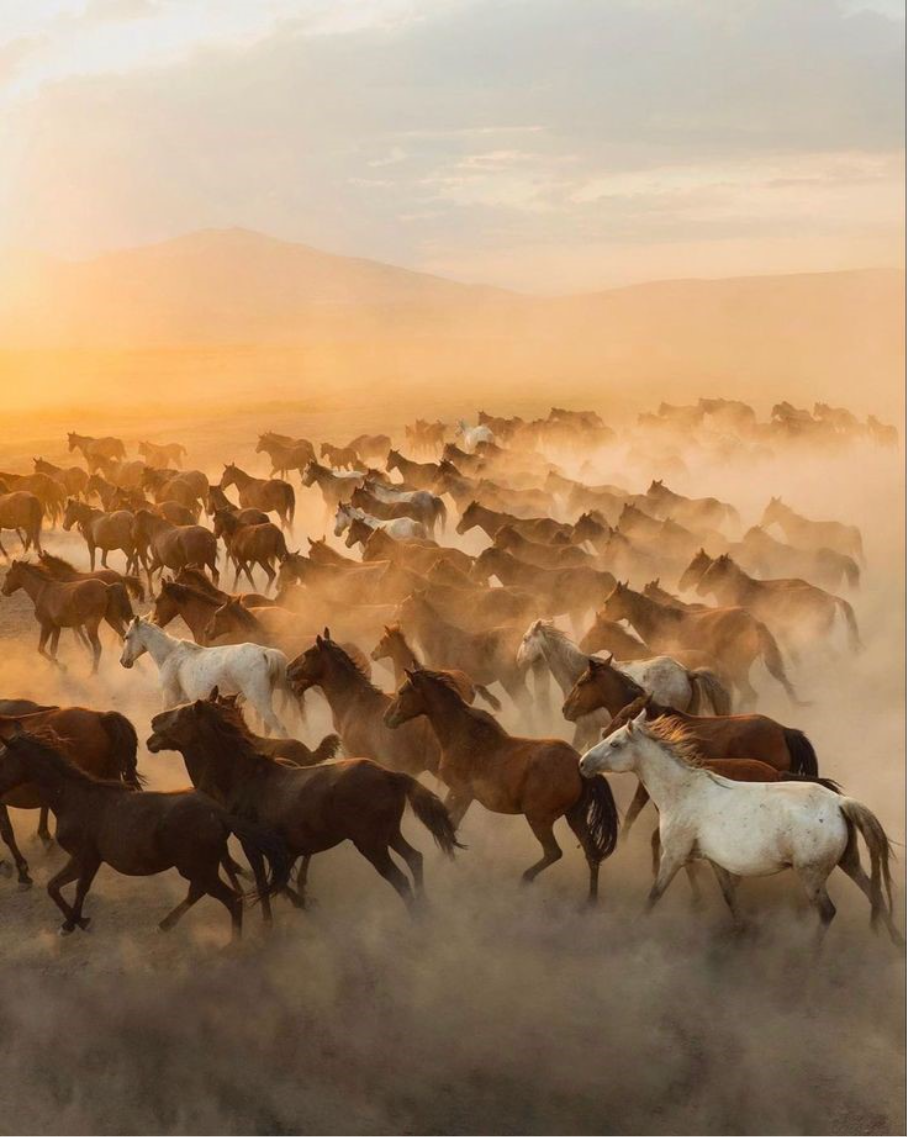
Horse culture.
Quiet sunrise rituals.
Seasonal harvest experiences.
Village breakfasts.
Artisan collaborations.
Landscape walks.
Local music.
Slow dining.
Astronomy.
Wellness connected to nature and silence.
In this vision, hospitality becomes less transactional and more immersive.
Food also plays a central role in this cultural connection.
The future of luxury dining in Cappadocia may not be purely international fine dining disconnected from the region. Nor should it become a simplistic reproduction of traditional cuisine.
Instead, the strongest culinary experiences may emerge through cultural harmony, a dialogue between local ingredients, Anatolian culinary heritage, and contemporary global interpretation.
A more refined form of fusion.
Local grapes.
Regional herbs.
Fermented traditions.
Village produce.
Stone oven cooking.
Seasonal ingredients from nearby farms.
Ancient Anatolian recipes reinterpreted through modern hospitality standards.
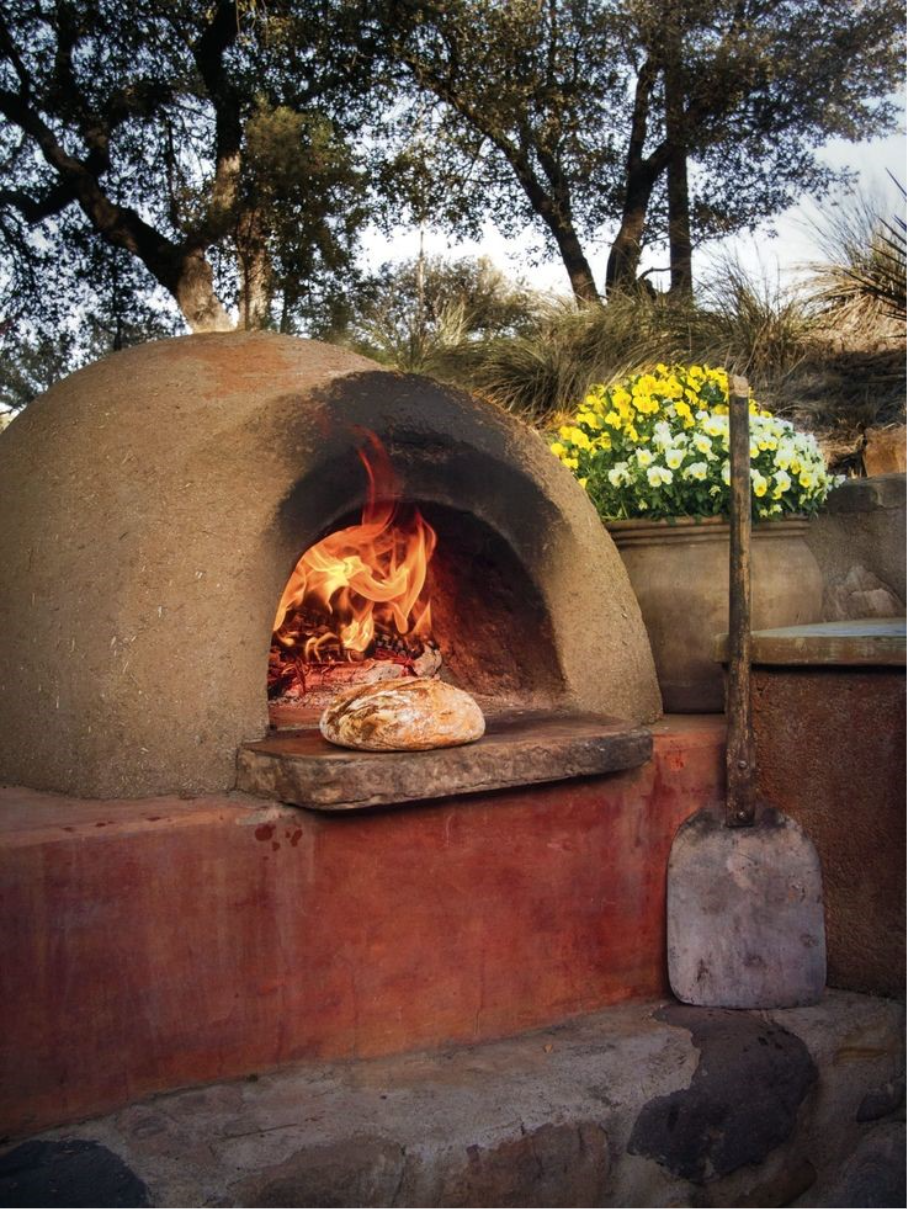
Because food becomes one of the most powerful ways guests emotionally remember a place.
At its best, luxury hospitality in Cappadocia should not feel imported.
It should feel rooted, intentional, and deeply connected to the landscape around it.
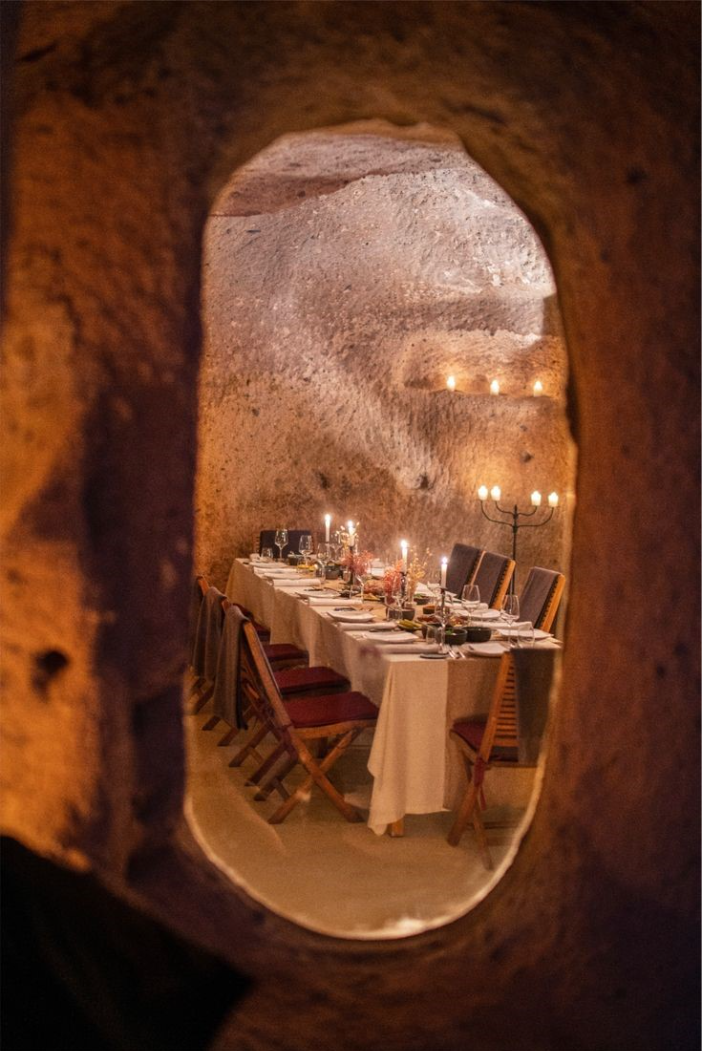
Not luxury disconnected from place.
But luxury shaped by place.
And perhaps that is exactly what the future traveler is searching for.
.avif)