Developing with a Sense of Place

In hospitality and real estate development, the strongest projects rarely begin with architecture alone.
They begin with observation.
Before concepts, materials, or brand positioning are discussed, there is a more important question:
What already exists here?
At KK Universal, every project starts by understanding the identity of its location not only physically, but emotionally and culturally. The rhythm of the street. The movement of people throughout the day. The surrounding businesses. The architecture nearby. The local habits. The energy of the neighborhood after midnight, early morning, in summer, in winter.
Because truly successful hospitality projects are rarely imported formulas.
They are responses.
A project in Cappadocia cannot be approached the same way as a project in Beyoğlu.
A destination resort cannot operate with the same emotional language as an urban lifestyle hotel.
Even two streets within the same city can require entirely different strategies.
This understanding has shaped KK Universal’s approach across hospitality, branded residences, retail environments, and mixed-use developments.
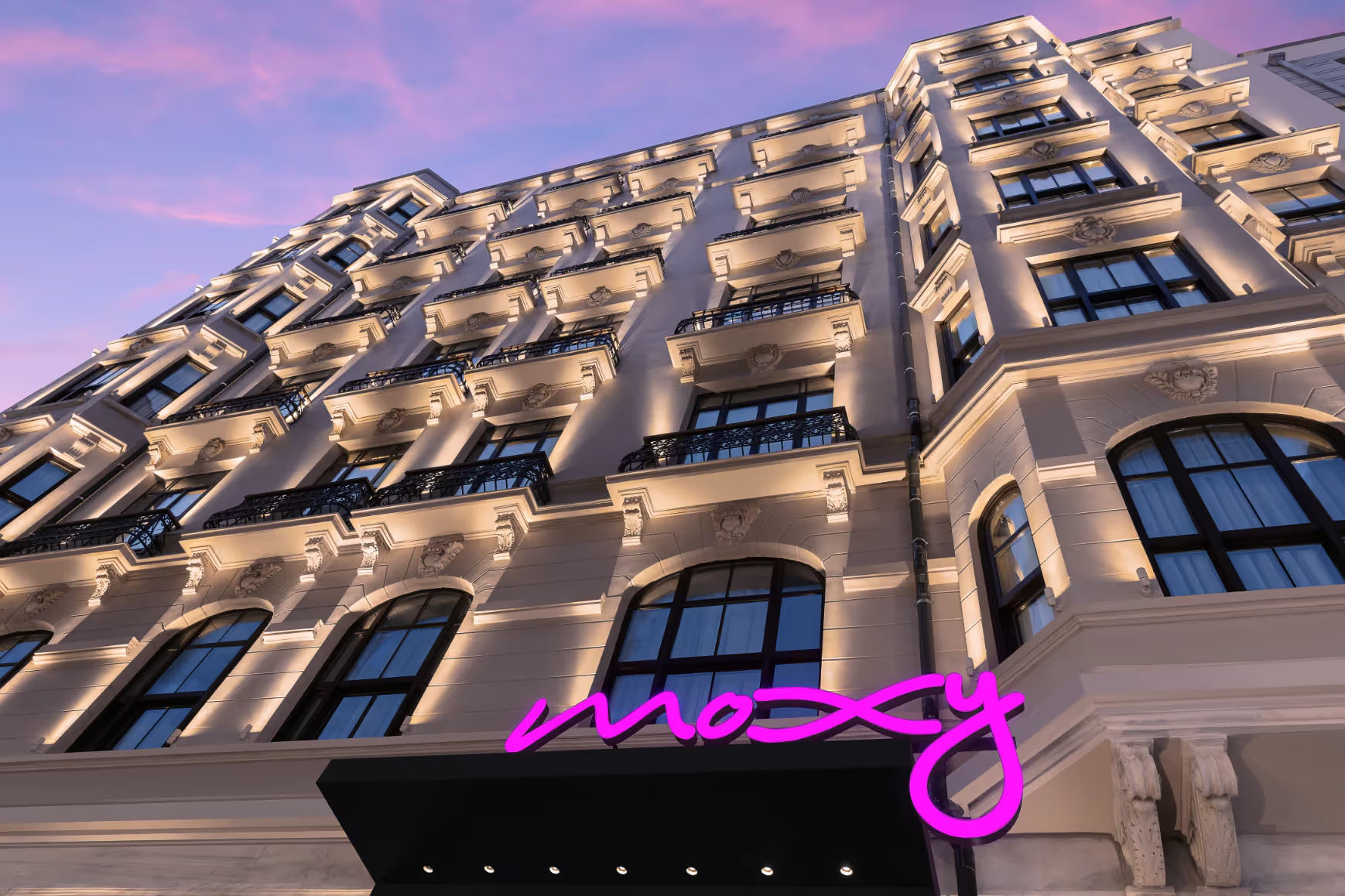
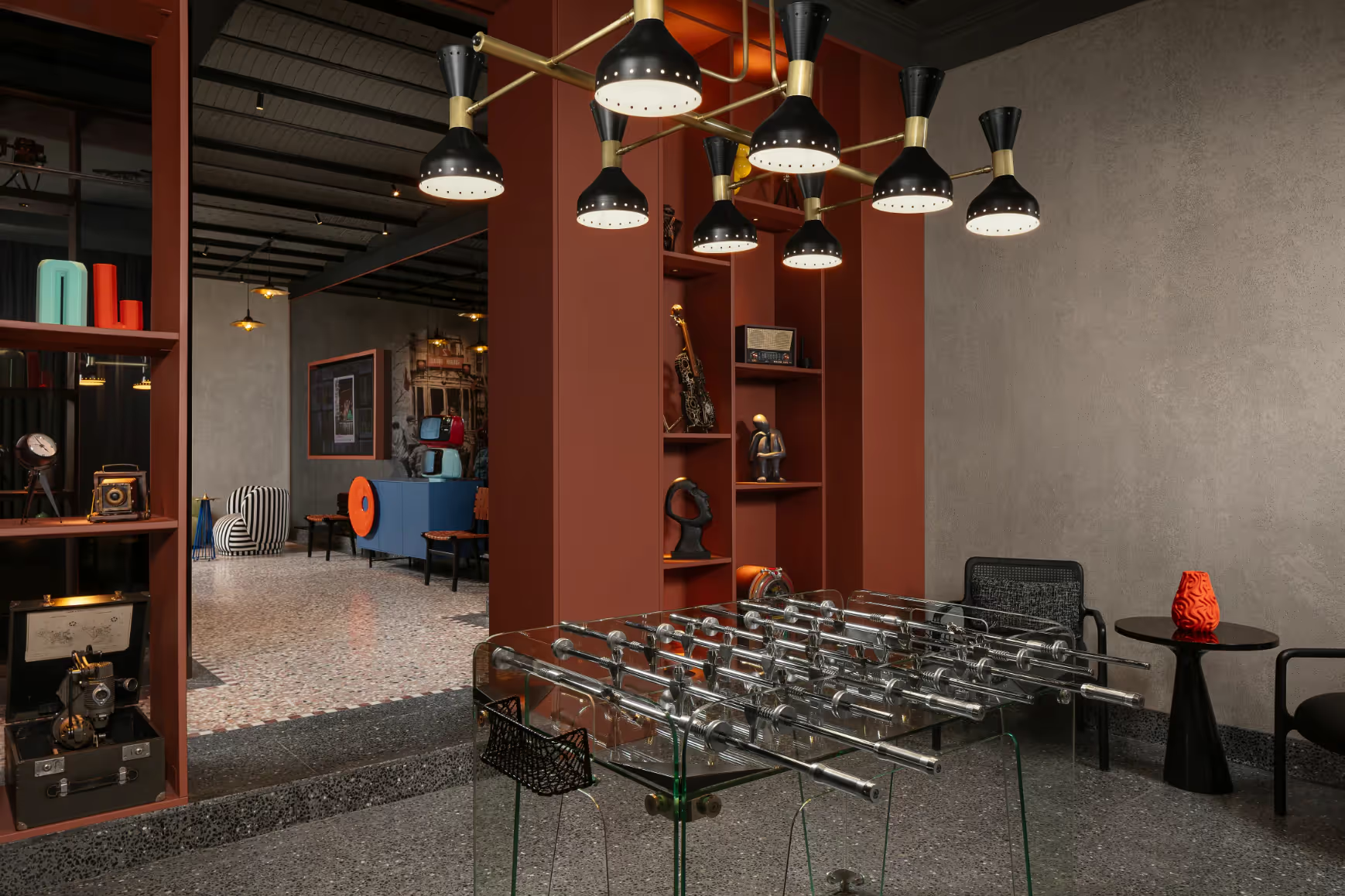
In the transformation of Moxy Istanbul Beyoğlu, the intention was never simply to introduce another international hotel brand into Istanbul. The project responded directly to the rhythm of Beyoğlu itself: energetic, layered, social, unpredictable, youthful and deeply urban. The adaptive reuse of a historic building allowed the hotel to feel connected to the memory of the district rather than detached from it. The architecture was not treated as a blank canvas, but as part of the neighborhood’s identity.
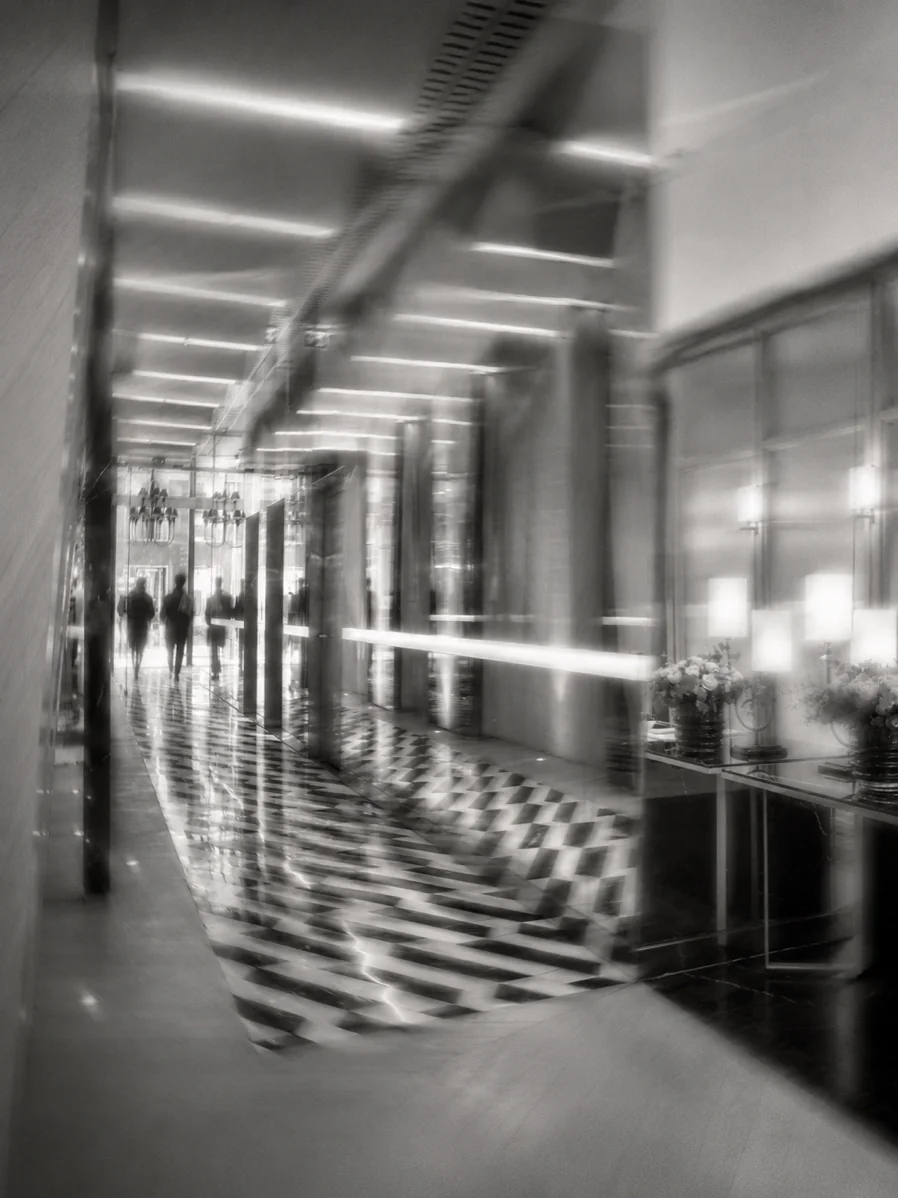
Similarly, with Vakko Hotel & Residence Nişantaşı, the approach focused on refinement, intimacy, and discretion. Nişantaşı already possesses a very distinct cultural identity sophisticated yet relaxed, international yet deeply local. Rather than competing with the character of the neighborhood, the project aimed to become part of its existing rhythm. The scale, atmosphere, and hospitality language were shaped around how people already experience the area itself.
This philosophy becomes even more important as hospitality increasingly moves away from standardized luxury.
Today’s travelers remember places that feel emotionally specific. Places that could only exist exactly where they are.
Guests no longer search only for marble, scale, or formality. They search for character. A feeling of connection. A sense that the project belongs to its environment instead of competing against it.

For this reason, development decisions at KK Universal are often shaped by questions beyond architecture itself:
How does the neighborhood move?
Who walks this street during the day and at night?
What does the building already remember?
What emotional role should this project play within the city?
Sometimes the answer is energy and sociability.
Sometimes it is silence and retreat.
Sometimes it is cultural preservation.
Sometimes it is creating a completely new layer of life within an overlooked area.
The goal is never to impose a universal formula onto different locations.
The goal is to allow each location to influence the project itself.
Because hospitality becomes more meaningful when it feels rooted.
And in a world increasingly filled with interchangeable developments, projects with a true sense of place become the ones people remember.
.avif)