The Luxury of Being Unreachable


The Luxury of Disconnecting: The New Value of Personal Space in Modern Hospitality
While technology has made almost every aspect of daily life faster and more accessible, it has also created the expectation that we should always be connected. Work, social media, messages, and notifications are increasingly blurring the boundaries between personal time and professional responsibilities. For many, travel therefore means more than discovering new places: it is an opportunity to escape the pace of everyday life, regain control of one's time, and reconnect with the spirit of the moment.
Luxury hospitality is responding to this need in new ways. The privileges a hotel offers are no longer limited to spacious rooms, exclusive services, or premium amenities. The freedom to decide when to socialise, when to be alone, and how connected to remain to the outside world is becoming an important part of the guest experience.
Digital Detox Is Not a Ban on Technology
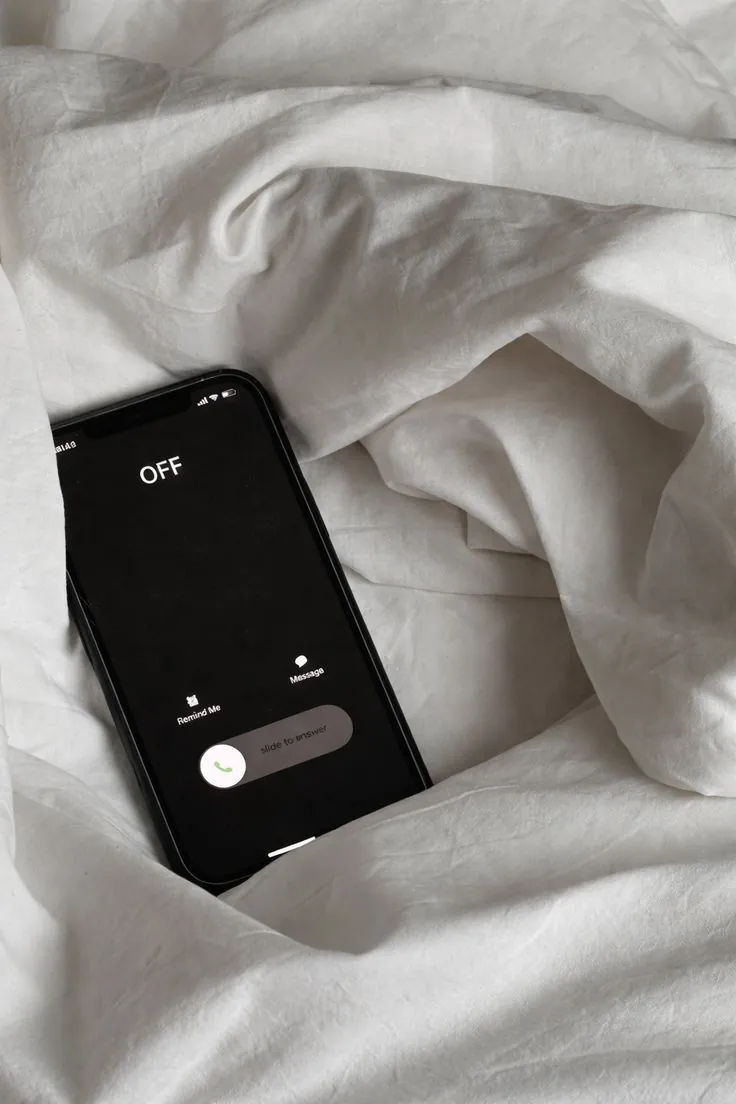
Digital detox is often associated with switching off phones, restricting internet access, or removing technology altogether. Yet the purpose of luxury travel today should be to offer guests alternatives rather than impose restrictions.
A guest may wish to remain connected to the internet throughout a stay while setting aside certain hours without their phone. Another may prefer to spend the morning without a fixed schedule or any social interaction.
Hotels can respond to these needs in different ways: wellness experiences without compulsory programmes, spa areas available for private booking, quiet relaxation zones, and spaces that encourage contact with nature are just a few examples.
The approach to service is equally important. Room service arranged around guest preferences, housekeeping on request, and communication options that reduce unnecessary interactions can all support personal space without compromising comfort.
The point is not to eliminate technology, but to enable guests to shape their own experience.
The Architectural and Operational Dimensions of Privacy
Privacy in a hotel is not achieved simply by placing rooms far apart or offering private pools. Architectural planning, acoustic comfort, the use of shared spaces, and service organisation must be considered together.
In a spa, for example, allowing guests to reach changing rooms without crossing relaxation areas, ensuring sound insulation in private treatment rooms, or separating quiet spaces from busy circulation routes can directly influence the feeling of privacy.
Likewise, planning restaurants, lobbies, and wellness facilities around different levels of activity allows guests to choose between a lively atmosphere and a more peaceful setting.
Operationally, privacy does not mean making service invisible. Rather, it calls for an approach in which support is readily available when guests need it, without making them feel constantly drawn into service interactions when they do not.

Reconnecting in Cappadocia
Hotel Okura Thermal Resort & Spa, Cappadocia, currently being developed by KK Universal, provides a meaningful context in which to explore these evolving expectations.
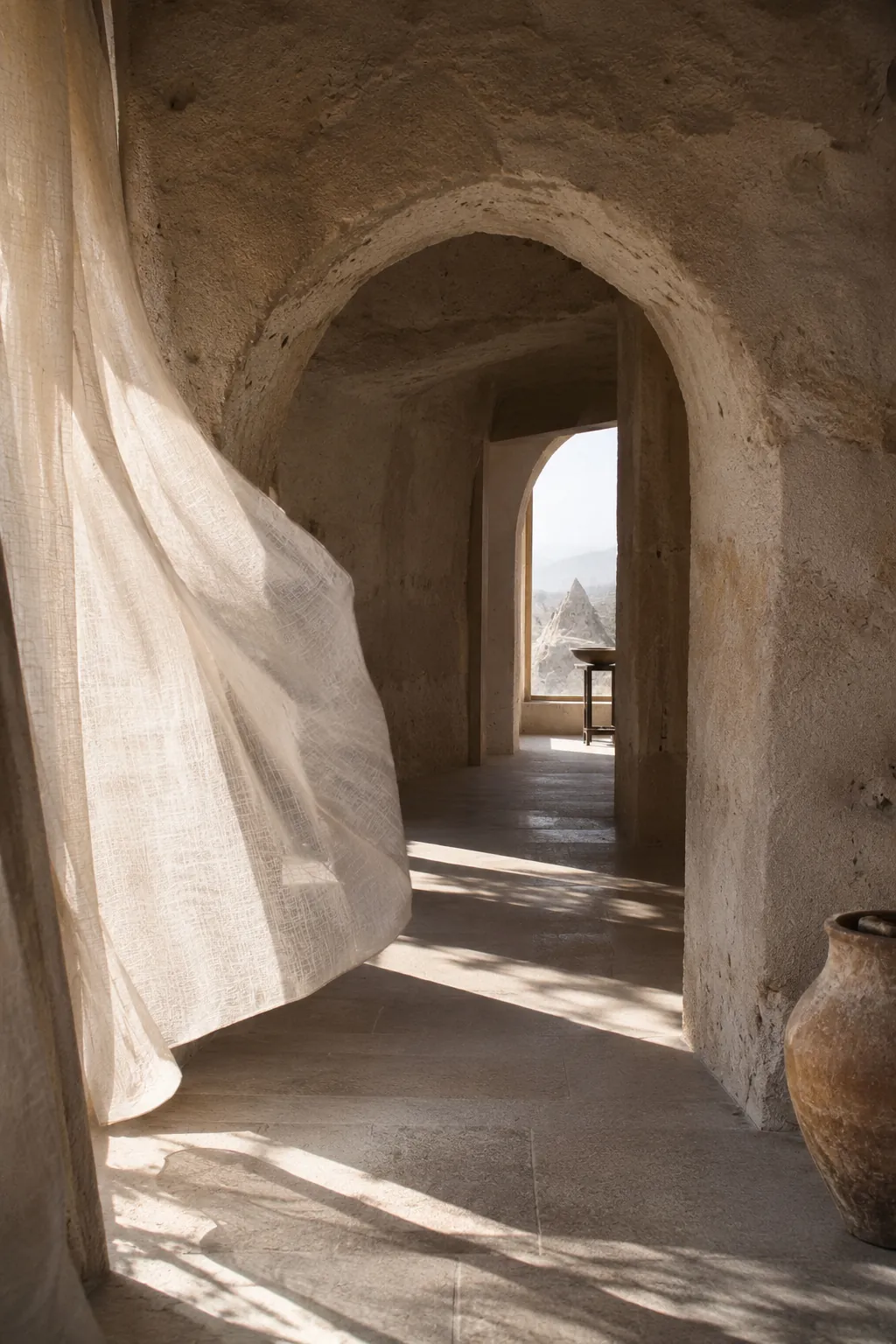
Cappadocia's natural landscape, historic fabric, and distinctive atmosphere offer the potential for a very different kind of travel experience. Combined with thermal wellness, these qualities provide a strong foundation for a holistic hospitality approach focused not only on physical rest but also on mental renewal.
The design of spa and wellness spaces that can respond to different guest needs is therefore an important part of the project's development. Alongside communal thermal experiences, the consideration of more personal and private-use alternatives offers the potential for guests to shape their stay around their own preferences.
Japanese hospitality is closely aligned with this approach. Attending thoughtfully to guests' needs, respecting their personal space, and delivering service at the right moment are principles associated with the service culture of Hotel Okura.
At the same time, stepping away from the pace of everyday life is not only about what a hotel provides. The guest's connection with Cappadocia's nature, culture, and local way of life can also be part of the experience.
The Future of Luxury: Freedom of Choice
For property developers, this shift means considering privacy and personal space from the earliest stages of design.
Providing quiet areas, shared spaces suited to different levels of activity, opportunities for private use, and flexible service models are among the decisions that directly shape the hotel guest experience.
Yet it would be wrong to assume that every guest seeks solitude or silence. For some, the most valuable part of travelling is meeting new people, enjoying lively social settings, or taking part in different experiences.
We therefore believe the successful luxury hotels of the future will be those that adapt to different needs and expectations rather than offer everyone the same experience.

At KK Universal, we place this belief at the centre of our design approach. We consider the elements that shape sensory experience to be fundamental to our architectural decisions, assessing each space through its distinctive character, atmosphere, and the feelings we want it to evoke.
What matters to us is not simply that every space forms part of a visually cohesive whole, but that each creates its own strong sense of place: a distinct identity and feeling of belonging.
In this approach, the transitions between spaces matter as much as the spaces themselves. Through changes in light, sound, materials, textures, and spatial scale, we seek to make each transition a deliberate experience. We want guests to fully sense the atmosphere of a place as they enter it and to recognise, when moving into another, that a different experience has begun.
Our aim is not to design merely harmonious, mass-produced spaces, but to create a collection of experiences, each with its own emotion, rhythm, and memory.
True privilege is not complete withdrawal from the world, but the freedom to decide when to connect, when to step back, and how to spend our time.