Developing for Memory, Not Just Use

Most hotels are designed to function well.
Very few are designed to stay with you.
People may visit a hotel, restaurant, residence or private club only once but what defines true hospitality is whether the experience continues to live in memory long after departure. The spaces we remember are rarely the loudest or most extravagant ones. They are the places that made us feel something difficult to replicate elsewhere.
At KK Universal, we believe hospitality should not only serve people. It should move them.
This is why we approach development not simply as the creation of buildings, but as the design of emotional sequences. The arrival experience, the transition from public to private spaces, the scent of a corridor at night, the silence of a spa, the way light enters a room at sunset, the rhythm of service, the materiality under your fingertips these details shape memory more than square meters ever can.
Luxury today is no longer only about access or visual perfection. The future belongs to places that create emotional resonance. Spaces that feel cinematic without becoming artificial. Service that feels intuitive rather than performative. Atmospheres that slow people down in a world built to overstimulate them.
This philosophy influences every project we develop.
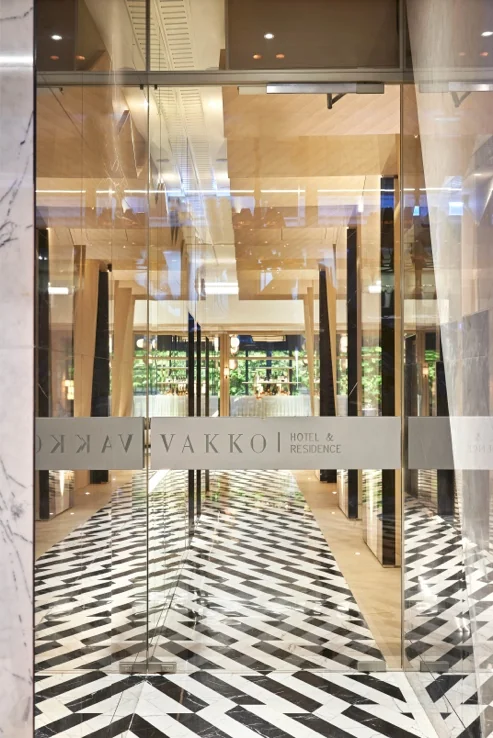
At Vakko Hotel & Residence Nişantaşı, Türkiye’s first fashion-branded hotel, hospitality becomes an extension of aesthetic identity and emotional refinement. The experience is not built around excess, but around precision, atmosphere and sensibility.
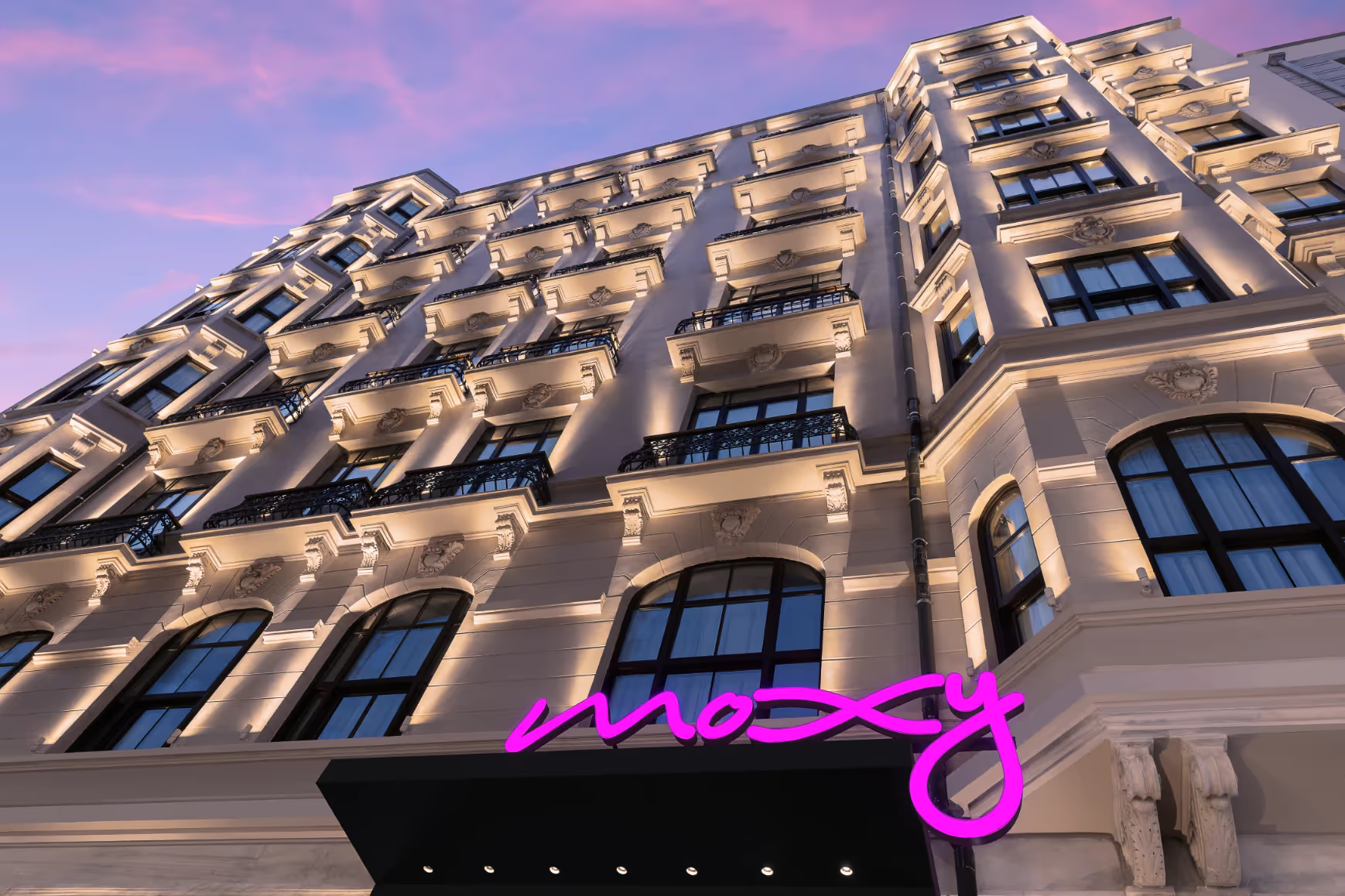
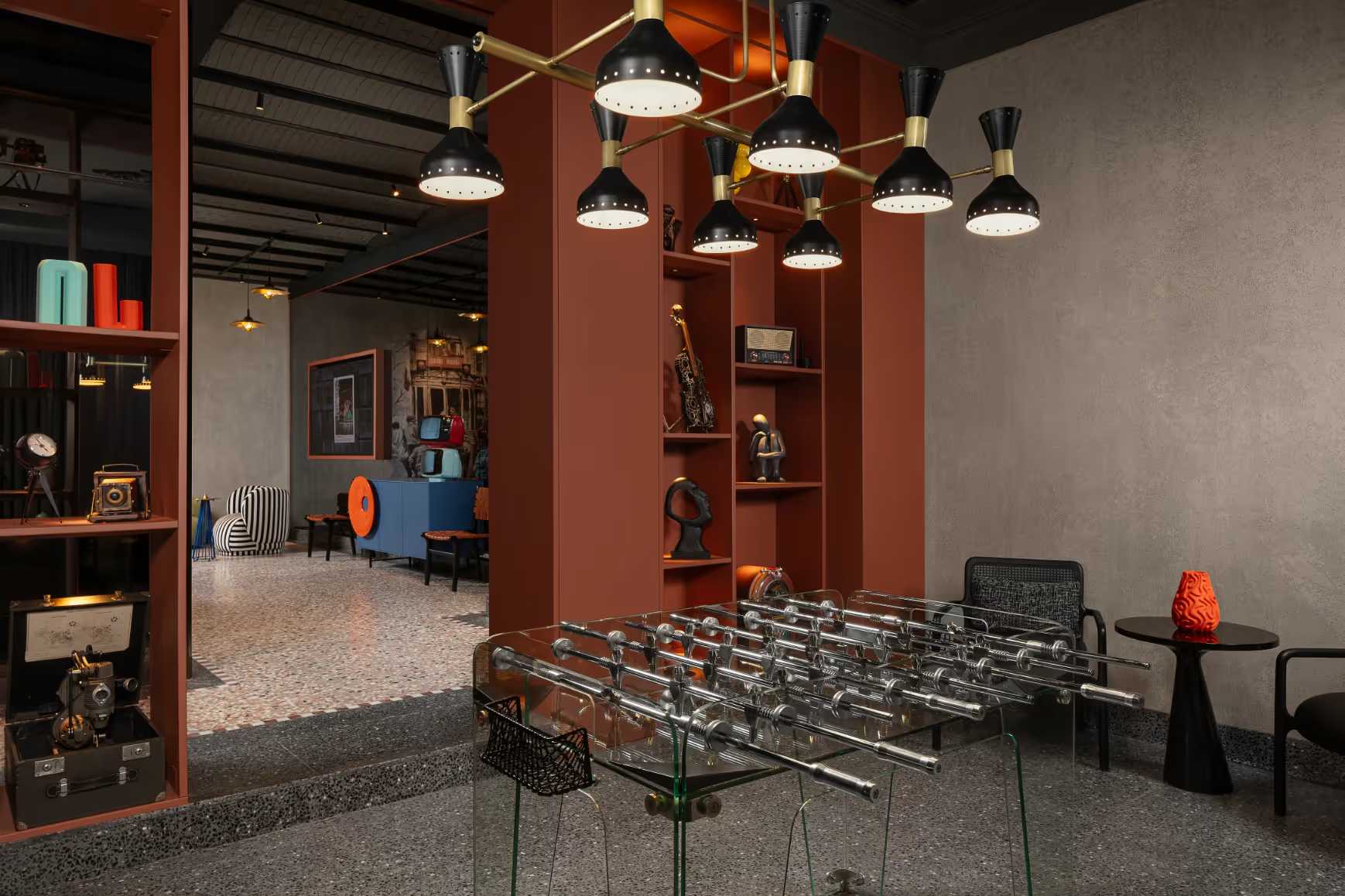
At Moxy Istanbul Beyoğlu, Türkiye’s first Moxy Hotel by Marriott, the focus shifts toward social energy, rhythm and cultural interaction. The hotel becomes more than accommodation; it becomes part of the city’s living pulse.

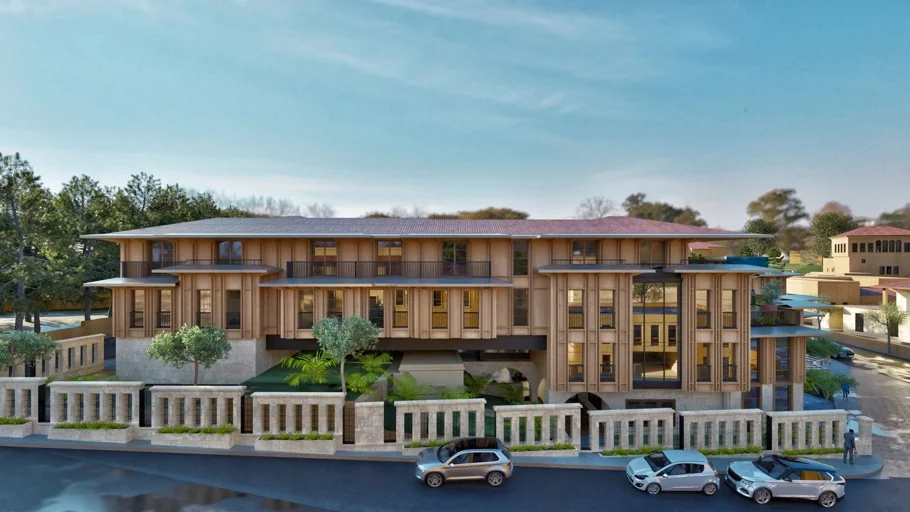
And with Hotel Okura Thermal Resort & Spa, Cappadocia, developed in partnership with Japan’s legendary Hotel Okura group, the ambition evolves further: creating a destination rooted in silence, ritual, thermal wellbeing and timeless hospitality traditions. A place designed not for fast consumption, but for emotional permanence.
Because ultimately, people forget layouts.
They forget room sizes.
They forget specifications.
But they remember how a place made them feel.
The hospitality projects that endure are the ones that understand this difference. They are not simply designed for use. They are designed for memory.
.avif)