The Future of Hospitality: Rediscovering Human Connection


The Rising Value of Human Connection
As technology advances, travel is becoming increasingly convenient, fast, and personalised. Digital systems make everything from reservations to responding to guest requests easier. Yet none of these developments changes the most fundamental element of hospitality: people want to connect with other people.
Everything running flawlessly in a hotel is important to a positive guest experience. But what makes a stay truly memorable is often not the amenities on offer, but how the guest feels. Feeling remembered, understood, and cared for creates a value that even the most advanced technology cannot provide on its own.
At a time when artificial intelligence and automation are becoming a natural part of our lives, we believe authentic human relationships will become even more precious. Technology should not eliminate human interaction; rather, it should create more room for it. Using digital systems to simplify repetitive tasks can give staff more opportunities to get to know guests, understand their needs, and build more meaningful relationships.
Hospitality is about much more than fulfilling a request. Sometimes it means anticipating a need before it is expressed, remembering a small detail, or knowing when to step back and give someone space. This requires intuition, empathy, cultural awareness, and genuine care.
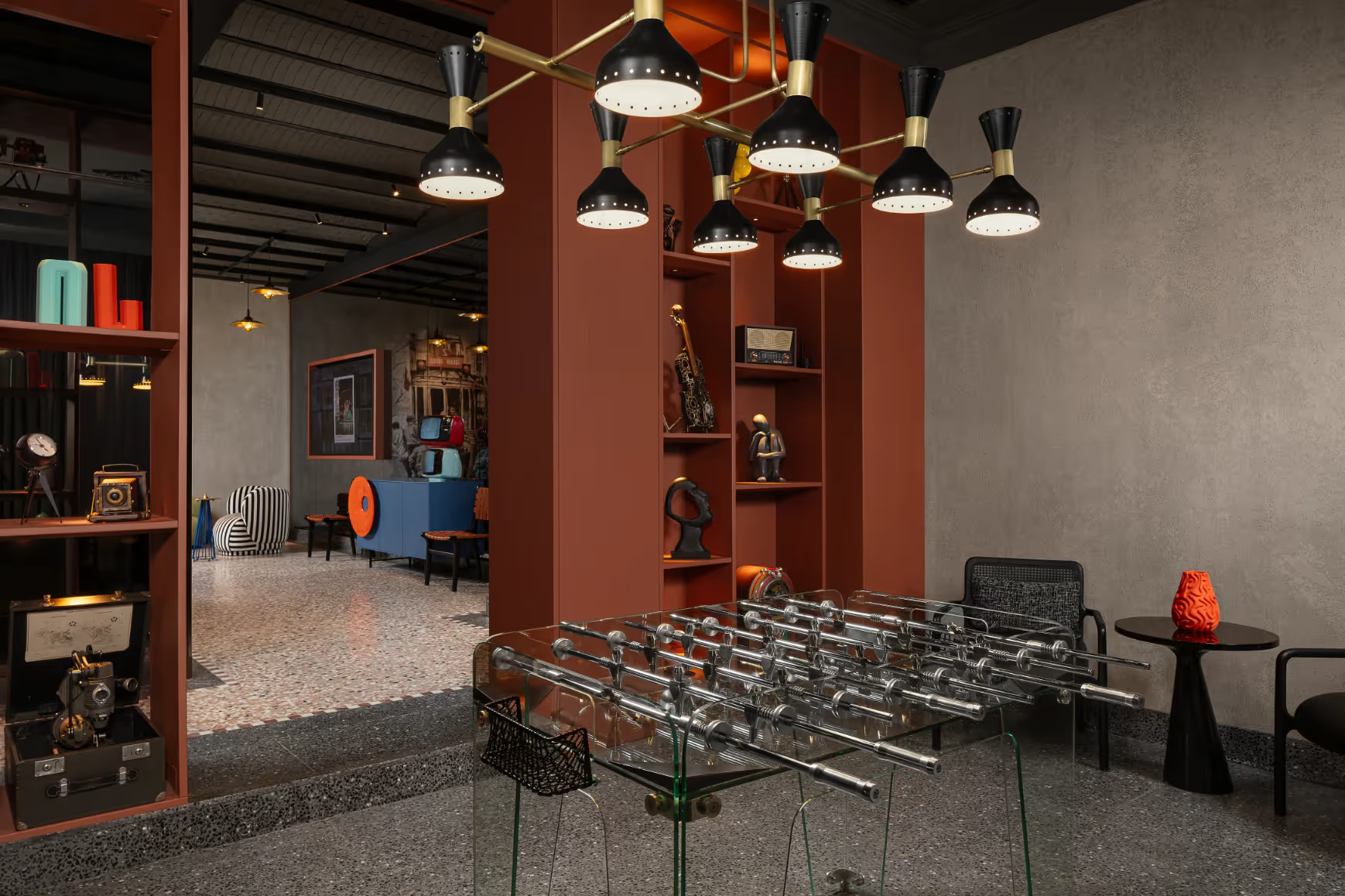
Moxy Istanbul Beyoğlu, brought to life by KK Universal in collaboration with Marriott International, and Vakko Hotels & Residences, developed in partnership with Vakko, represent two approaches to hospitality that serve different guest expectations. Moxy's dynamic, sociable atmosphere and Vakko's personalised expression of luxury offer distinct experiences, yet both share one essential principle: a brand's identity comes to life not only through design and services, but also through its relationships with guests. The people working in these hotels embody their spirit. They feel they belong there, and they make guests feel that sense of belonging too.
In our Hotel Okura Thermal Resort & Spa, Cappadocia project, currently under development, we aim to bring Omotenashi, the philosophy at the heart of Japanese hospitality, together with Cappadocia's distinctive identity. Anticipating guests' needs before they are voiced, paying attention to the smallest details, and offering sincere hospitality without expecting anything in return are central to this tradition. For us, however, the aim is not merely to reproduce Japanese service standards and rituals, but to integrate this philosophy with Cappadocia's people and local culture. We want our team to embrace Okura's hospitality philosophy while reflecting the spirit of the place in which they work. After all, what makes guests truly feel they are in Cappadocia is not only its landscapes and architecture, but also the connections they form with the people they meet.

For this reason, we believe that in the future of hospitality, the importance placed on human relationships will be just as decisive as technological sophistication. As digitalisation grows, the value of genuine attention, sincerity, and the human touch will become more apparent. That is where we choose to invest: in people and in human connection.
The future of hospitality will be shaped not only by what technology can do, but by how people can make one another feel.