When a Street Becomes a Portfolio

Some portfolios are built asset by asset.
Others are built street by street.
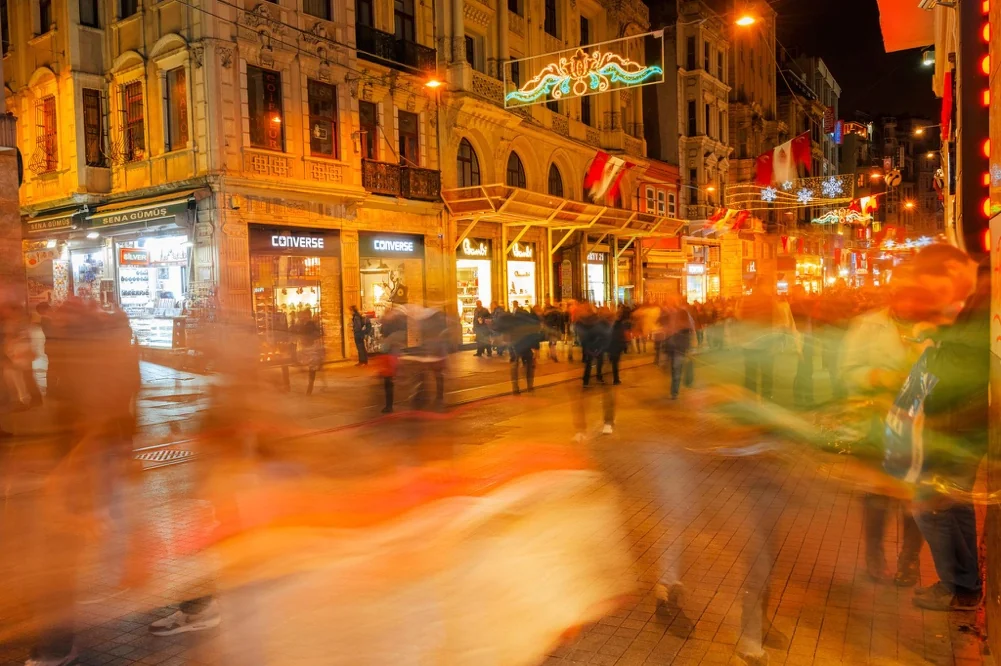
In high-street real estate, value is rarely created by a single building alone. It emerges through rhythm, visibility, cultural gravity and the invisible energy that forms between neighboring brands, pedestrians, architecture and daily life. A great street is not simply a location. It is an ecosystem.
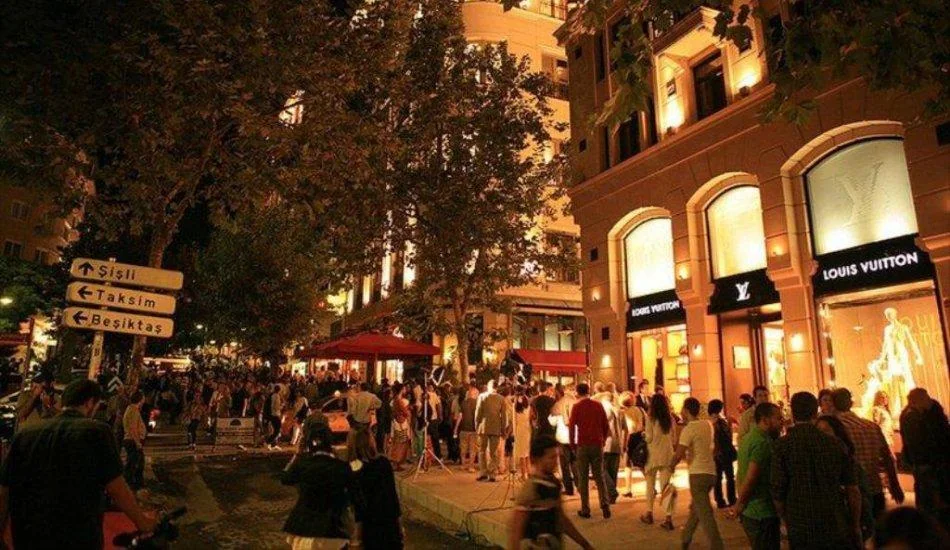
This understanding has long shaped Kaan Namlıcı’s vision through his projects.
Rather than approaching real estate as isolated transactions, the strategy focused on something deeper: curating urban relevance over time. Identifying streets before they peak. Understanding how luxury retail, hospitality, food, culture and movement influence one another. Seeing not only what a building is, but what a street can become.
Because in cities like Istanbul, the true asset is often not the square meter itself but the surrounding momentum.
A flagship store changes pedestrian behavior.
A hotel reshapes the energy of a neighborhood.
A restaurant extends the lifespan of a street into the evening.
One strong tenant attracts another.
And over time, trust compounds into value.
This is how streets evolve into portfolios.
The acquisition and transformation of some of Istanbul’s most iconic high-street assets reflected this long-term philosophy. The goal was never simply ownership. It was positioning. Creating environments where global brands, hospitality concepts and cultural life could coexist in a way that elevates the entire district.
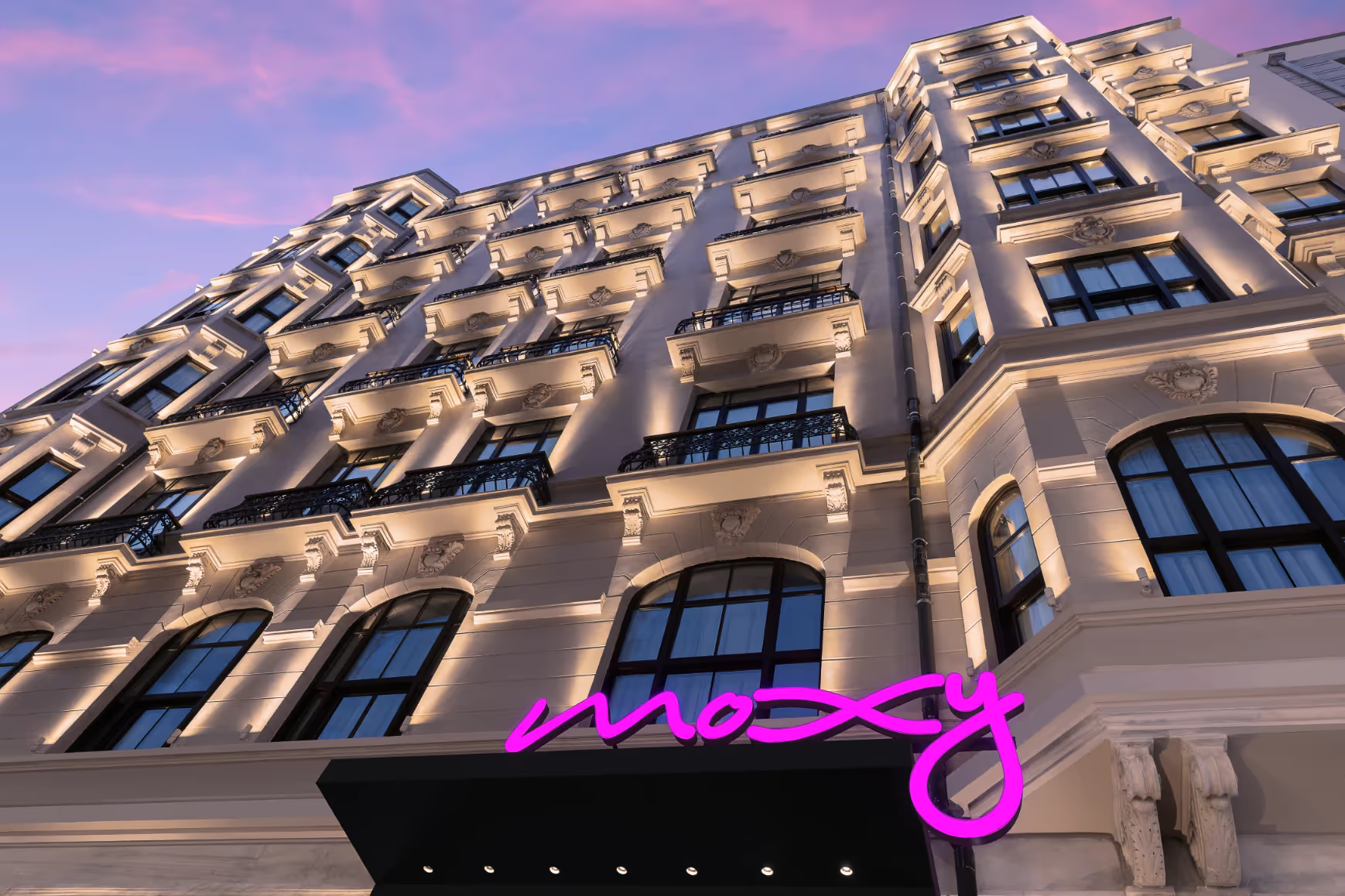
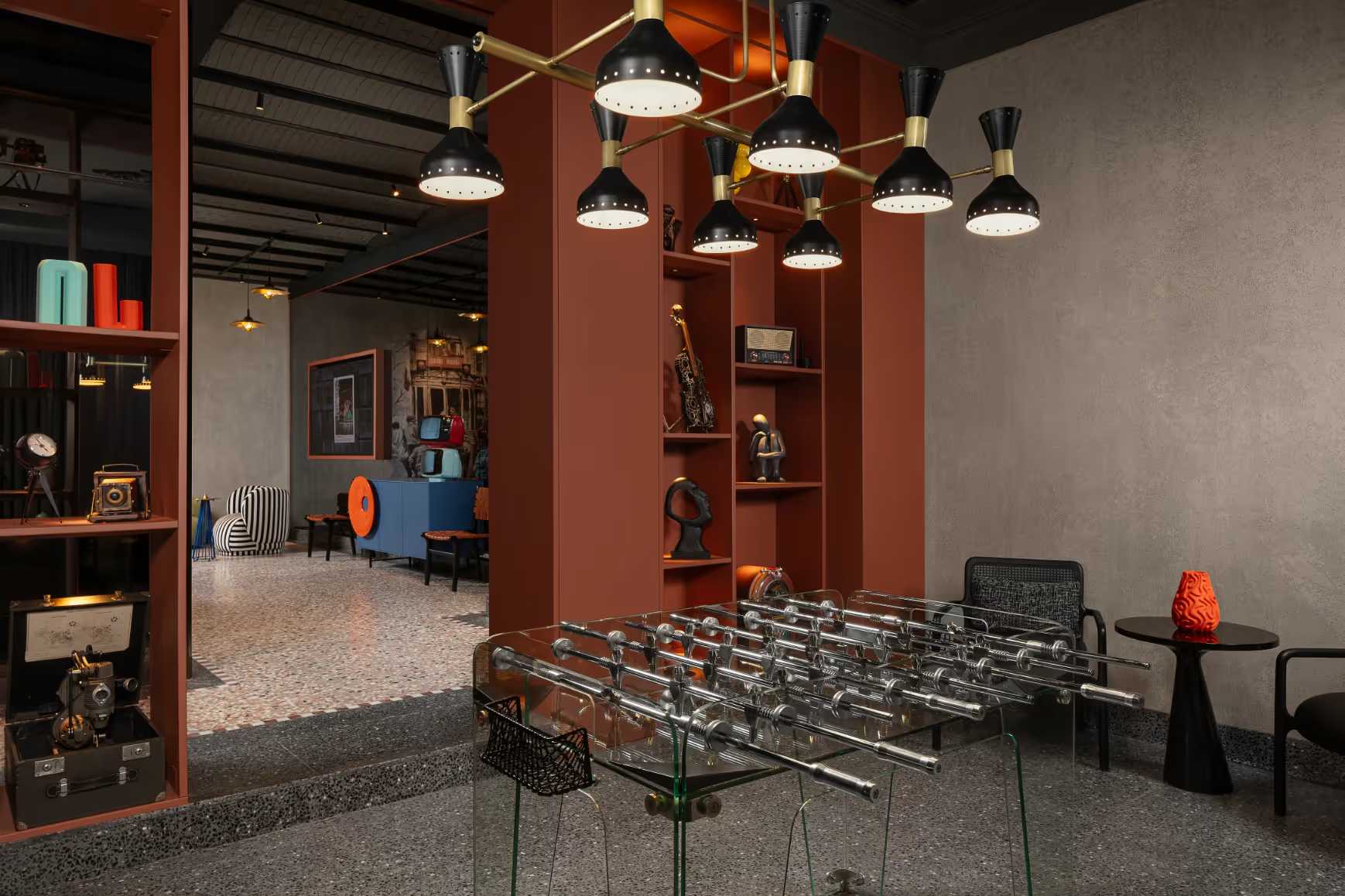
This thinking also shaped projects like Vakko Hotel & Residence Nişantaşı and Moxy Istanbul Beyoğlu. Both projects emerged from an understanding that hospitality and urban real estate are no longer separate categories. Today, hotels influence retail. Retail influences culture. Culture influences foot traffic. And foot traffic ultimately influences value.
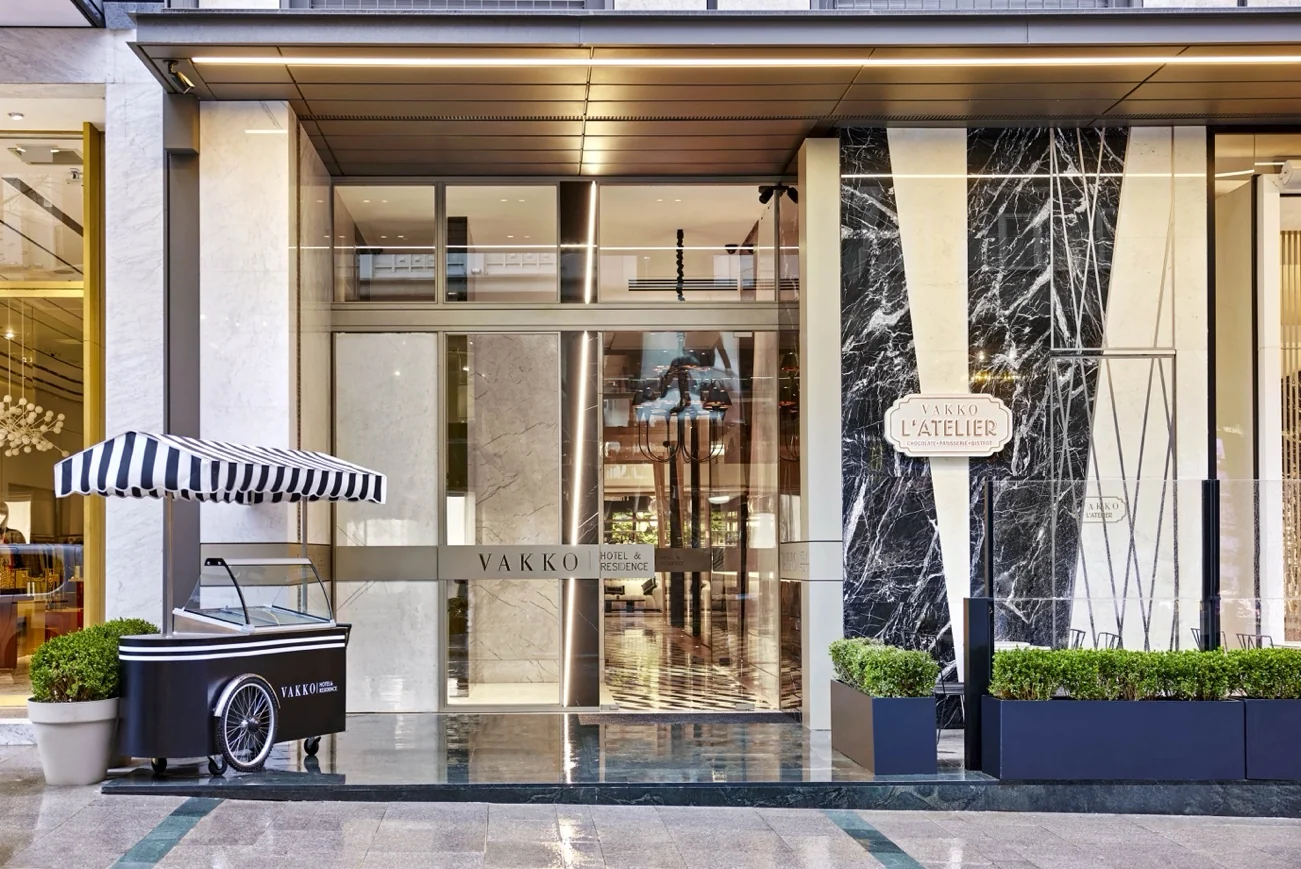
Modern real estate development requires reading cities almost like living organisms. Understanding pace, aspiration, identity and movement. Knowing when a neighborhood is becoming more international. Knowing when local culture is strong enough to become globally desirable. Knowing when a street stops being transactional and starts becoming emotional.
Because the most valuable urban portfolios are not the ones with the most buildings.
They are the ones that become part of how a city is experienced.
.avif)